Travelling with Pets: Experts Reveal How to Manage Dog Anxiety on a Long Journey
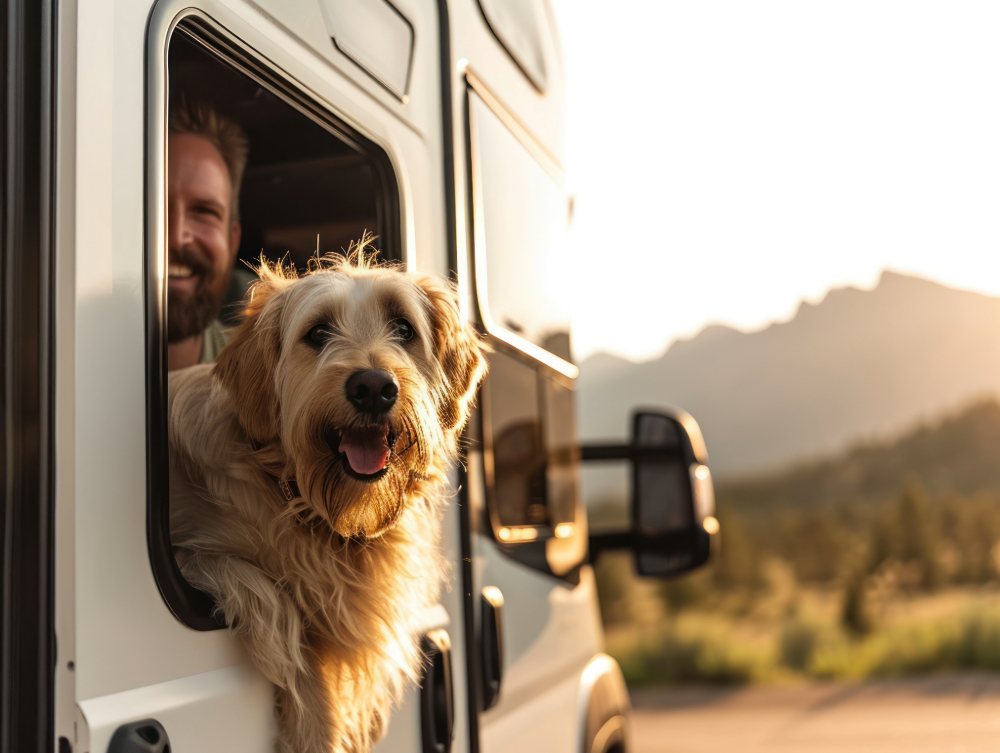
National Dog Day, celebrated on August 26th, is a perfect occasion to honour our loyal furry friends and ensure their wellbeing, especially when it comes to their comfort during travel. Remarkably, 92% of dog owners take their pets along on drives for various reasons, with 53% preferring a long road trip with their dog over travelling with a family member.
For many pet owners, road trips and vacations can be a cause of stress for their dogs, leading to anxiety and discomfort. If you’re planning a trip with your canine companion, it’s crucial to understand how to manage and reduce their anxiety.
Nick Zapolski, founder of ChooseMyCar, a leading used cars retailer and provider of car financing, has teamed up with Dr. Guy Sandelowsky, co-founder of Omni pet food, to help drivers make their dog’s travel experience as smooth and stress-free as possible.
Preparing for the journey
Alleviating your dog’s travel anxiety and ensuring their comfort begins with proper preparation before you even set off on your journey. Although no specific breeds are inherently more prone to travel anxiety, Dr. Sandelowsky highlights that a dog’s early experiences in the car are crucial. Dogs with positive car experiences, marked by treats, cuddles, and toys, are generally more relaxed as adults.
“Conversely, if car journeys are associated with negative experiences, such as a painful vet visit, or the dog is not acclimatised to car journeys from a young age, travel anxiety is more likely,” Dr. Sandelowsky notes.
To make the journey more comforting, Dr. Sandelowsky advises to bring along familiar items such as “your dog’s favourite duvet, plush toy, or chew. These items can provide a sense of security and distract them from stress.
“There are also sprays containing calming dog pheromones that mimic the happy hormones they received from their mother, which can help some dogs, while others respond well to natural calming supplements.”
Dr. Sandelowsky recommends Omni’s ‘Stress & Anxiety’ soft chew supplement for dogs suffering from travel or separation anxiety. “It contains naturally calming ingredients such as Valerian root, passion flower extract, and precursors of happy hormones in the brain such as L-Tryptophan.”
Calming pheromone sprays or dog collars such as Adaptil can also be beneficial. “If the issue is very severe, your vet might be able to prescribe a stronger prescription-grade product, though behavioural training is a good first point of call before this.”
Recognising and managing anxiety in dogs during transit
Understanding when your dog is anxious during a road trip is the first step towards alleviating their stress. Dr. Guy Sandelowsky highlights that “dogs tend to cry and pant when they are stressed on a road trip. Other more subtle signs, such as excess lip smacking and yawning, can give you advanced warning that they are getting nervous.”
During the journey, a few strategies can help keep your dog calm and content. Dr. Sandelowsky suggests using a dog harness seatbelt for both comfort and safety. This allows your dog to stay secure while minimising the risk of injury in case of sudden stops. Having a person seated next to the dog, providing reassurance and comfort, can also make a significant difference.
Mentally stimulating your dog can help keep them occupied. Toys and treats are great tools for this, but some dogs might prefer simply watching the world go by from the window. However, Dr, Sandelowsky notes that owners should be cautious with car windows: “It’s cute and fun for the dog but could lead to an injury if there are obstacles near the car. It’s better to keep the window aperture small enough to prevent this.”
Dog owners who let their pets hang out of car windows could face fines up to £5,000, as per the Highway Code. Dogs must be securely restrained using a seatbelt harness, crate, or dog guard to avoid distractions and potential accidents.
Nick Zapolski commented: “Ensuring your dog is safely restrained in the car isn’t just a matter of following the law—it’s crucial for their safety and yours. Proper restraint minimises distractions and prevents potential injuries, ensuring a smoother, safer driving experience for everyone. It can also help alleviate your dog’s anxiety, as it provides them with a safer and calmer environment.”
Making frequent breaks
Long car journeys require regular breaks to keep your dog comfortable. Ideally, stop every hour or more frequently if you have a smaller dog.
Dr. Sandelowsky said: “The more stops the better, as it allows dogs to stretch their legs, sniff around the locality, and go to the toilet if needed. If there is a safe enclosure where they can run off-lead, this can also help tire them, so they are more likely to rest and sleep when back in the car.
“Planning stops around mealtimes is also a good idea, and if possible, allowing 30-45 minutes for digestion before getting back into the car, would be ideal.”
Providing in-car comfort
Alongside proper preparation and behavioural strategies, you can also alleviate your dog’s anxiety by creating a comfortable space in the car.
Nick Zapolski commented: “As the owner of both the dog and the car, there are steps you can take to prepare the space for a long journey and ensure your dog’s calmness.
“Provide your pet with a secure and cosy area with a well-ventilated crate or a padded seat cover. Additionally, maintaining a comfortable temperature with climate control and reducing distractions with window shades or barriers can help create a calming environment. These thoughtful adjustments not only enhance your dog’s comfort but also contribute to a smoother, more enjoyable journey for everyone.”
Conclusion
National Dog Day is the perfect time to enhance your furry friend’s travel experience by reducing their anxiety and ensuring their comfort with strategies for the future. By implementing thoughtful preparations, using calming products, and creating a secure and cosy car environment, you can help your dog feel more at ease during long journeys.
Dr. Sandelowsky concluded: “It takes time to help a dog adjust to anything new, scary, or unfamiliar. Be patient and build it up slowly over time, and you should both be rewarded with happy car trips together in the future.”