Top Tips for Capturing and Showcasing Your Camping Adventures
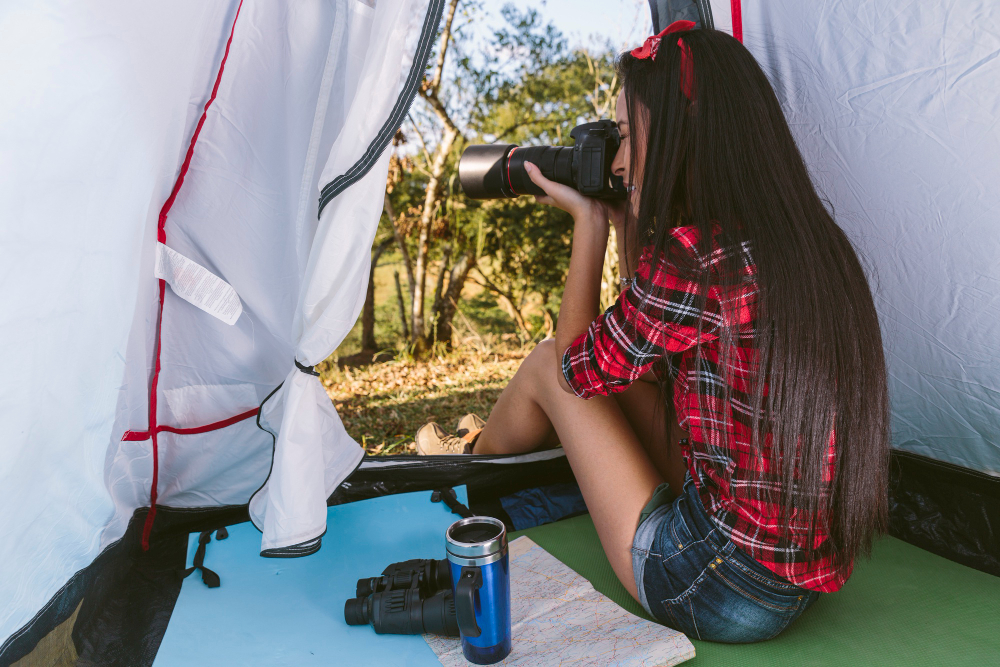
Camping offers a fantastic opportunity to connect with nature and create lasting memories. However, capturing those moments effectively can feel daunting. Whether you’re roasting marshmallows or hiking through beautiful terrain, how you document these experiences can elevate your enjoyment and storytelling. You can ensure that your camping adventures are remembered and beautifully showcased with a few strategies.
Mastering the Basics of Outdoor Photography
Understanding the fundamental principles of outdoor photography is essential for capturing the essence of your camping trips. Natural light plays a vital role, and learning to position your camera effectively can enhance your images. Early mornings and late afternoons, known as golden hours, provide the best light for photography, casting a warm glow on scenes.
Experimenting with different angles can add depth to your photos. Get low to the ground for a unique perspective of a campfire, or shoot from above to capture the expanse of your campsite. Including elements like tents, trees, and open skies gives context to your images and tells a more comprehensive story.
Bringing the right equipment enhances your photography experience. A simple camera or smartphone can suffice, but consider using a tripod for stability. After capturing stunning images, you can design beautiful collages with a photo collage maker to present your adventures artistically. By mastering these basics, you’ll showcase the spirit of your camping experiences.
Telling a Story Through Your Shots: Key Moments and Details
Every camping trip is full of unique moments that deserve documentation. Focus on capturing the grand views and the small details that tell a story. An image of campfire smoke curling into the night sky, a close-up of a hand roasting marshmallows, or laughter shared among friends can evoke the emotions of the trip.
Creating a narrative through your photos enhances your storytelling. Think of the journey: stock up on images that depict your travels, from setting up camp to cooking meals and exploring the surroundings. This makes your collection more engaging and transports you back to the moments you revisit the images later.
Incorporating people into your shots adds a personal touch. Candid moments of friends enjoying nature or children exploring the area create an emotional connection to your photography. Use the natural beauty around you to frame your subjects, enhancing the overall composition.
Showcasing Your Adventures: Creative Presentation Ideas
Once you have captured your camping experiences, showcasing them can be an exciting way to remember them. Creating a digital album or slideshow is a great method to share your journey with family and friends. Compile your best shots and add captions for extra context.
For a physical keepsake, consider printing your favourite images and creating a scrapbook. Combine photographs with handwritten notes, maps, and even souvenirs from your trip to create a rich narrative of your experiences. This serves as a keepsake and can be an engaging conversation piece when shared.
If you’re eager to share your camping experiences on social media, curate your best images for impactful posts. Tagging locations and sharing tips can inspire fellow outdoor enthusiasts. Use engaging captions that reflect the mood of your trip, inviting conversation among your followers.
Choosing the Right Time of Year for Capturing Nature
The timing of your camping trip significantly affects the scenery and lighting for your photography. Each season presents unique opportunities for outdoor photography.
Spring offers vibrant colours with blooming flowers and lush greenery. Early morning dew can add a magical touch to your photos. As the weather warms, animals become more active, providing chances for memorable wildlife shots.
Summer is known for bright, sunny days but can also bring harsh lighting conditions. Seek shaded areas or use diffusers to soften the light. Long daylight hours allow for ample exploration and capturing of your surroundings.
Autumn showcases stunning foliage as leaves change colour. The warm tones create breathtaking backdrops for your camping photos. Pay attention to the low light during this season for more dramatic imagery.
Winter camping can be challenging but rewarding. Snow-covered scenery offers a unique charm. Ensure you have the right gear to protect your equipment and embrace the stillness of a winter scene for a peaceful touch to your photography.
Preparing for Different Environments: Equipment and Settings
When venturing into various environments, preparing your equipment and settings is crucial. Different terrains and weather can require specific setups to achieve the best results.
For mountainous regions, consider bringing a lens that captures expansive views while keeping a zoom lens handy for wildlife or detailed shots. Be aware that altitude may affect your camera’s battery life, so pack spares.
In coastal areas, moisture and sand can harm your equipment. Use protective cases to prevent damage. Seaside lighting can be harsh, so adjust your camera settings to avoid overexposure.
Woodlands present challenges, including limited light and dense foliage. Use wider apertures to allow more light into your photographs, focusing on interesting compositions among the trees and underbrush.
Always carry a cleaning kit. Nature can be unpredictable; dirt, moisture, or unexpected spills can occur. Regularly clean your lenses to maintain sharp images and prevent distractions in your photos.
Engaging the Family: Involving Kids in Photography
Involving children in photography can enhance their camping experience and create cherished memories. Provide them with a camera, whether a simple point-and-shoot or a smartphone, to encourage their creativity and curiosity about the world.
Teach them basic photography concepts, such as framing and lighting. Encourage them to capture their favourite moments, whether it’s a fascinating insect or a grand view from a hilltop. This keeps them engaged and allows them to see the camping experience from their perspective.
Consider setting specific themes for each day, such as nature, wildlife, or food. This adds excitement and gives them a sense of purpose. Review the images together at the end of the trip, discussing what they loved about each shot and the stories behind them.
Incorporating storytelling into their photography enhances their understanding of the moments captured. Talk about the adventures those images represent, creating bonding moments as you reflect on the holiday together.
Creating Themed Sets for Enhanced Storytelling
Creating themed sets around your camping experiences adds an extra layer of storytelling to your showcase. For example, if your trip involved hiking, cooking, and relaxing by the campfire, group images based on these themes.
Start with a collection of hiking shots that showcase the trail, varied terrains, and group dynamics. Pair these images with scenes of meal preparation, highlighting the simple joys of cooking outdoors. Finally, incorporate campfire moments that capture the warmth of the experience.
Using varying presentations can enhance visual interest. The contrast between different themes adds depth to your story and provides a well-rounded trip view.
Incorporating written elements, such as brief anecdotes or reflections, can enrich the narrative. When friends and family view your presentation, they will appreciate the thought and creativity you put into showcasing your camping adventures.