The Expert Guide to Hay Fever Season 2026: Why This Year Could Be Worse Than Ever for Your Eyes
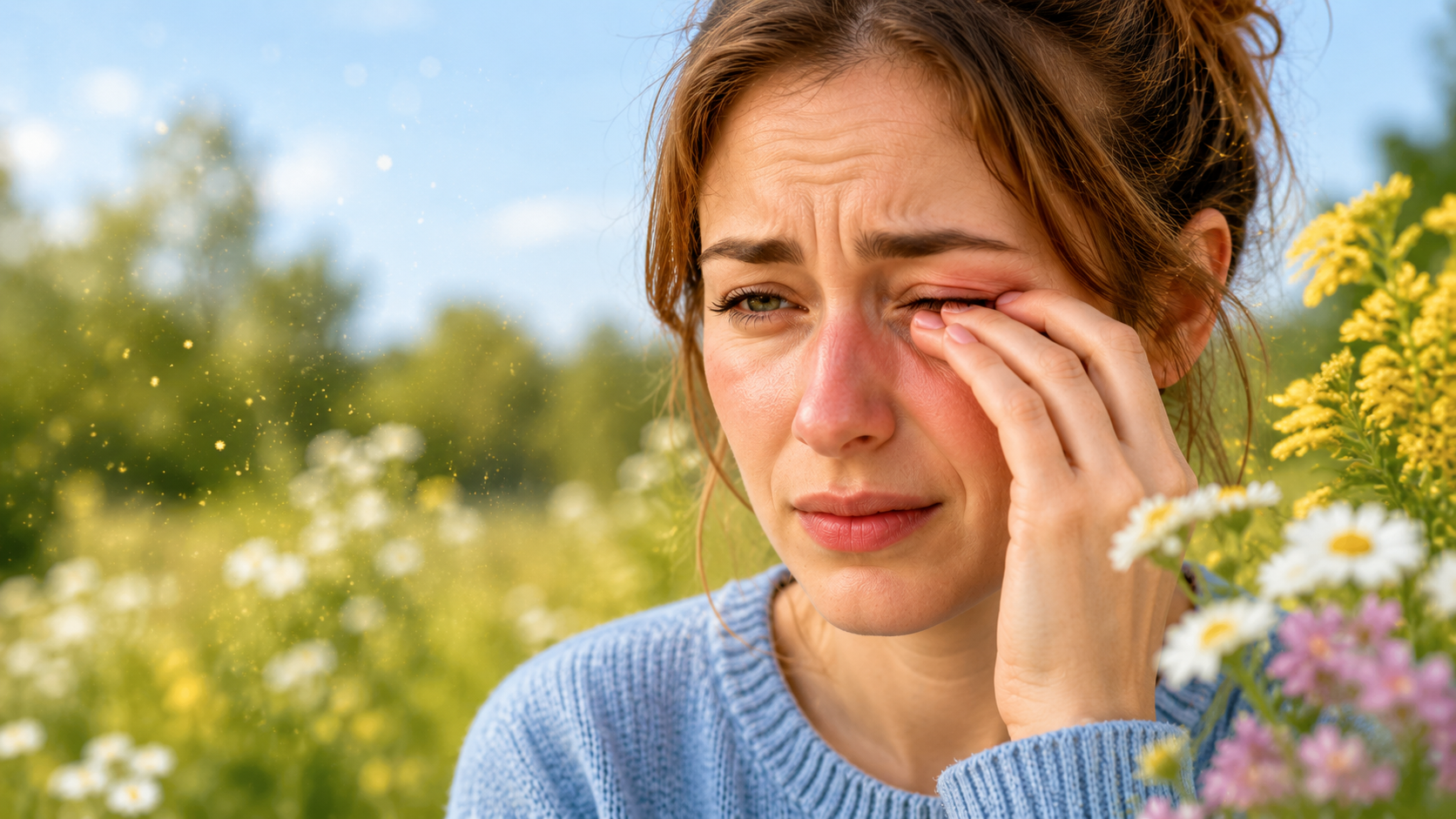
With forecasters warning that hay fever season could arrive weeks earlier than usual, millions of Britons may be bracing themselves for itchy eyes, relentless sneezing and streaming noses sooner than expected.
After an exceptionally wet start to 2026, followed by rapidly rising temperatures, experts predict a sudden surge in pollen levels that could trigger more intense symptoms for the UK’s estimated 18 million hay fever sufferers.
While many people focus on blocked noses and sneezing, experts say the eyes are often the hardest-hit area and can remain sore, swollen and irritated long after other symptoms have subsided.
Why Hay Fever Eyes Can Be So Difficult to Treat
Consultant dermatologist Dr Eva Melegh explains that the delicate skin around the eyes is particularly vulnerable during hay fever season.
“Often swollen, sore and dry eyelids are one of the most uncomfortable symptoms of hay fever and the one that can last long after the other symptoms have started to calm down,” says consultant dermatologist Dr Eva Melegh.
“The skin on the eyelids is much more vulnerable than almost anywhere else on the body because it is thinner and doesn’t have the same protective fat layer beneath. Eyelid skin also has a relatively high concentration of blood vessels, which makes the skin in this area much more sensitive and prone to inflammatory reactions.
Add to that the constant exposure of the eyelids and surrounding skin around the eyes to tears from streaming hay fever eyes plus abrasive rubbing and external bacteria from itchy gritty feeling eyes and you have multiple triggers for swollen and irritated eyelids.”
Dry, inflamed skin around the eyes is a common side effect of hay fever. Constant watering and rubbing can leave skin dry, itchy and sore, while antihistamine eye drops may further contribute to dryness.
For those struggling with irritated eyelids and dry skin around the eyes, Dr Melegh recommends Hydrosil Dry Eye Gel.
“When oestrogen and progesterone drop at the onset of menopause, the body becomes less able to control histamine which makes skin more sensitive and more prone to allergies or existing allergies can become more severe.
Menopause also causes the skin to become much drier, particularly affecting the skin around the eyes. I recommend using Hydrosil’s Dry Eye Gel (www.hydrosil.co.uk).
The combination of drier skin around the eyes along with a higher vulnerability to Spring allergies which typically cause itching and swelling around the eyes along with watering of the eyes, can mean the eyes area can be particularly adversely affected by menopausal hay fever.
Swollen dry and sore eyes lids and dry cracked skin at the corners of the eyes can not only be one of the more painful symptoms of hay fever, especially menopausal hay fever, they can also be the longest lasting ones, often continuing for weeks or even months after many of the other symptoms have abated.”
Hydrosil Dry Eye Gel contains Cardiospermum halicacabum, a plant extract that has been the subject of multiple UK and published studies for its anti-inflammatory effects on skin. The lightweight, non-greasy gel is suitable for sensitive skin around the eyes and can even be stored in the fridge for an extra cooling effect. It is vegan and free from SLS, MI, parabens and perfumes. Hydrosil Dry Eye Gel costs £10.95 (15ml) and is available from www.hydrosil.co.uk.
Seven Surprising Things That Can Make Hay Fever Eyes Worse
According to Dr Melegh, several unexpected factors can intensify eye symptoms during hay fever season:
- Early Pollen Bursts
Sudden weather changes and earlier pollen releases can trigger stronger reactions as the immune system has not been gradually exposed to pollen throughout spring.
- Retinol Skincare
Popular anti-ageing ingredients can migrate towards the eye area through tears and irritation, potentially causing “retinol burn” on already inflamed skin.
- Quitting Smoking
Stopping smoking can temporarily increase immune activity, sometimes triggering new allergies or worsening existing hay fever symptoms.
- Perimenopause and Menopause
Hormonal changes can make skin drier and histamine responses more reactive, increasing susceptibility to itchy, swollen eyes.
- Make-Up Removers
Many contain solvents, alcohol and surfactants that can aggravate already inflamed skin around the eyes.
- UV Exposure
Sun damage can worsen inflammation and redness in hay fever-affected eyelids.
- Shampoo Residue
Fragrances and cleansing agents running into already irritated eyes can prolong inflammation and discomfort.
Dr Melegh’s Top Tips for Treating Hay Fever Eyes
Avoid rinsing irritated eyes with tap water as chlorine can further aggravate dry skin.
Clean lash roots twice daily with diluted baby shampoo to remove pollen and bacteria.
Wash hair with your head tilted backwards to avoid shampoo running into the eye area.
Wear sunglasses throughout pollen season to help shield eyes from both UV rays and airborne pollen.
Avoid retinol products during peak hay fever season.
Use moisturising eye drops regularly to reduce dryness and eye rubbing.
Consider switching from contact lenses to glasses during high pollen periods.
Dr Melegh also recommends Hydrosil Dry Eye Gel for treating swollen, red and itchy eyelids:
“Steroids are usually the first port of call for calming inflammation and itching in reactive skin, but these are not suitable for use around the eyes. However, standard moisturising eye creams won’t do much good for inflamed and itchy hay fever eyes. An eye product that has an anti-inflammatory action is essential for treating swollen, red and itchy hay fever eyelids.
Hydrosil Dry Eye Gel (www.hydrosil.co.uk) is a light natural eye gel specifically formulated for calming and relieving dry, itchy and irritated skin around the eye and on the eyelids. It contains an extract of cardiospermum halicacabum, which is a natural plant steroid and delivers anti-inflammatory and anti-itching benefits without damaging or irritating the delicate skin around the eye and can be used as often as required. It can also be worn under make up to help protect irritated eyes from further reaction to cosmetics and is free from perfumes.”
Why Menopause Can Make Hay Fever Worse
Menopause expert and nutritionist Alison Cullen of A.Vogel says fluctuating hormones can make some women more sensitive to histamine reactions.
“For some women, histamine is a little more likely to flare in the later stages of menopausal transition, and possibly on into post-menopause. This makes us more likely to react to various benign triggers. To counter this, keep vitamin C levels topped up (little and often is the best way to take vitamin C), avoid too much caffeine, drink nettle tea or take nettle drops, and audit your stress load if you find yourself triggered into itchy, red reactions more frequently. If your hayfever symptoms are stubborn, then try A.Vogel’s Pollinosan hayfever tablets (www.avogel.co.uk). These contain a complex of hayfever-fighting herbs and don’t have the same side-effects you often find with conventional hayfever treatments.”
Pollinosan Hayfever Tablets contain a blend of seven tropical herbs, including luffa, traditionally used to help ease hay fever symptoms. The non-drowsy formula can also be used by people affected by allergic rhinitis.
For itchy, red and watery eyes caused by hay fever, Pollinosan Hayfever Eye Drops combine hyaluronic acid and chamomile for fast relief. Suitable for vegans and preservative-free, they can be used with contact lenses and glasses and by children from the age of seven after consultation with an optician or healthcare professional.
Pollinosan Hayfever Eye Drops cost £13.99 for 10ml and are available from health shops nationwide and online at www.avogel.co.uk. The Pollinosan range is available from health shops nationwide, and users can also check their local five-day pollen forecast via www.avogel.co.uk.
The Drug-Free Alternative Gaining Attention
For those looking for a non-medicinal approach, hay-band has become increasingly popular among hay fever sufferers.
Affected by hay fever? Apply some pressure.
Based on principles from traditional Chinese medicine, hay-band applies gentle pressure to the LI-11 acupressure point located at the outer elbow crease.
Adam Bennett from hay-band explains:
“Based on principles from traditional Chinese medicine, the Hay-Band is designed to stimulate a specific pressure point known as the LI-11 point, which has been used for centuries to support relief from the physical effects associated with allergies including hay fever.
Located on the outer elbow crease, LI-11 has long been used in traditional Chinese medicine to help clear heat, reduce inflammation, and support immune balance – all key factors in allergic responses. Because hay fever symptoms are driven by an overactive immune reaction to pollen, stimulating LI-11 is believed to help regulate this response and ease symptoms such as nasal congestion, itching, sneezing, and watery eyes.
From a modern medical perspective, research into acupuncture and acupressure has shown that stimulation of LI-11 may influence the nervous and immune systems, helping to reduce inflammatory markers and histamine activity associated with allergic rhinitis (hay fever). Clinical studies have found that targeting LI-11, either alone or in combination with other points, can lead to improvements in symptom severity and quality of life for hay fever sufferers. While acupressure is not a cure and results can vary between individuals, LI-11 is considered a key point because it is easy to access, safe to stimulate, and consistently linked with allergy relief in both traditional practice and contemporary research.”
Drug-free, washable and suitable for adults and children over three, hay-band can be worn preventatively or when symptoms strike. There is no drowsiness or other unwanted side effects, and the band can be worn on either arm or both arms when symptoms are particularly acute.
hay-band costs £13.09 per washable band and is available from www.hay-band.co.uk.
What Actually Causes Hay Fever?
Hay fever occurs when the immune system mistakes harmless pollen for a threat and launches an inflammatory response. Histamine is released, leading to symptoms including:
Itchy, watery eyes
Sneezing
Runny nose
Nasal congestion
Scratchy throat
Fatigue
Swollen eyelids
People with asthma or eczema are often more susceptible, and symptoms can develop at any age, even in individuals who have never previously experienced hay fever.
With experts predicting an earlier and potentially more intense pollen season in 2026, now may be the time to prepare your hay fever strategy before symptoms take hold.