Camping at Moira Furnace Folk Festival Review: A Relaxed, Music Filled Weekend in the National Forest
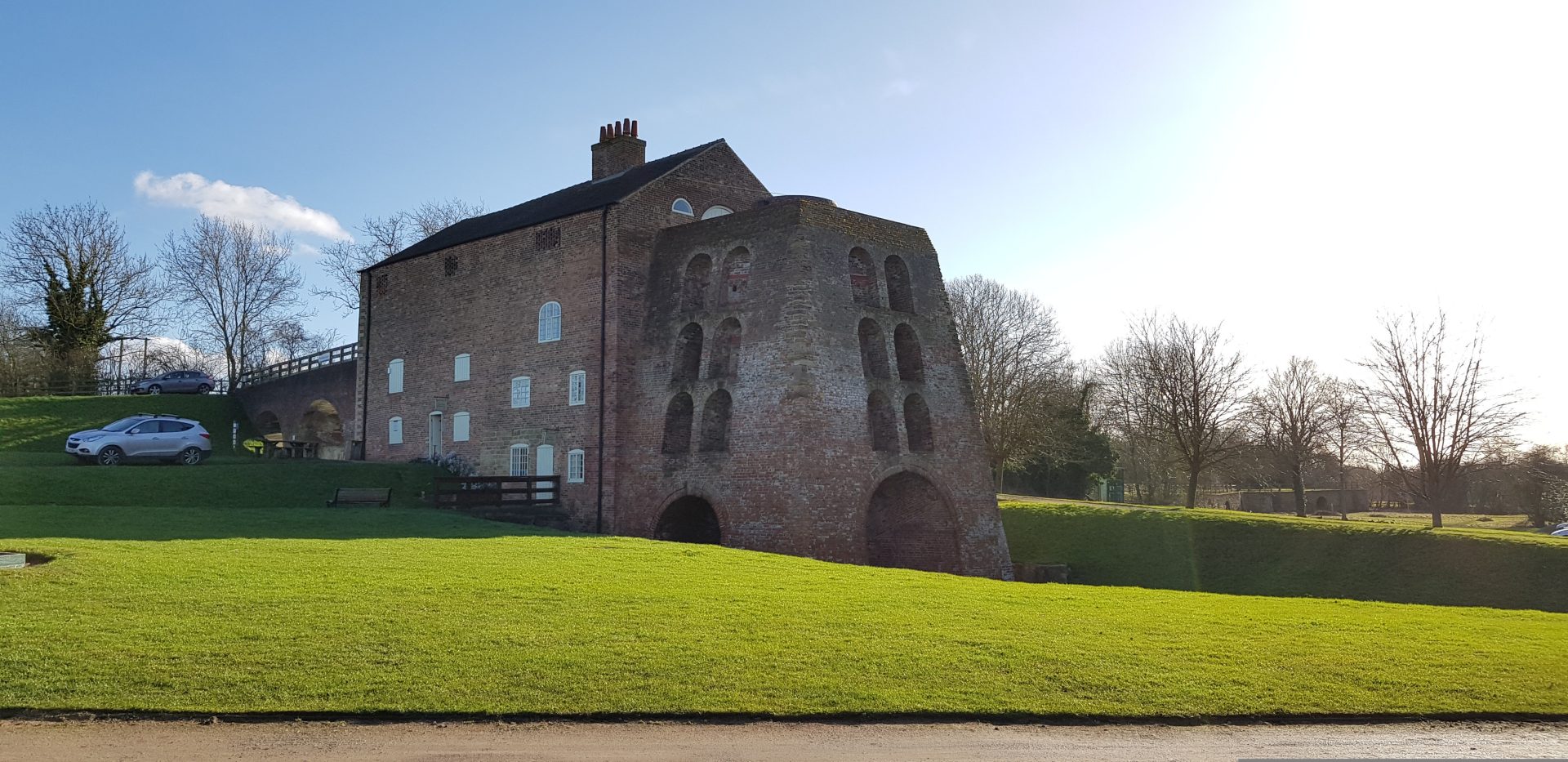
Moira Furnace Folk Festival is a long weekend of music in a glorious setting, steeped in the past, around a canal-side furnace in a former working mine. The landscape’s heritage mirrors folk stories and rhythms. A woodland path lit by coloured bulbs wound from my campsite towards the festival, adding to an otherworldly atmosphere.
For campers, the combination of relaxed greenfield camping, short walks to the music and an historic location to explore between performances, proved a winning formula.
Songs inspired by myths and fairytales were accompanied by treasured timeworn instruments you rarely see elsewhere. Themes of bold working men and women, protest, resilience, and everyday challenges also ran through set lists like a golden thread. Marquees were filled with cheers and whoops, and often the sound of a sing-along. Fiddles, melodeons, accordions, and mandolins were expertly played by musicians who love their craft.
Since 2008, Moira Furnace has attracted nationally renowned, local, and upcoming artists. They perform on two stages in seated marquees, from Friday lunchtime to Sunday night.
Camping at Moira Furnace Folk Festival
Camping was available to weekend ticket holders only and had to be booked as part of your ticket order. It was charged per person (around £100 each for the whole weekend), with an extra fee for awnings or gazebos. Pitches were allocated on arrival.
There were two greenfield camping areas. Campsite One was 400 metres from the marquees. Campsite Two, part of the Miners’ Welfare site, was around 200 metres further away across the road.
Campsites opened at 9am on Friday and all campers had to leave by midday on Monday.
Vital details
• Pitch conditions: Level pitches; despite very recent rain, the ground wasn’t muddy
• Parking: Cars could be parked directly beside tents, caravans, campervans, and motorhomes
• Water: A water tap was available in each camping field
• Waste: Skips and waste points were clearly signposted
• Chemical toilet disposal: Available on Campsite One
• Children: Family-friendly, with an extensive play area
• Dogs: The weekend was dog-friendly
• Accessibility: A designated camping area was available for pre-booked campers with mobility needs
• Phone coverage: Mobile network coverage could be patchy
• Wi-Fi: There was no dedicated Wi-Fi
• Electricity: I couldn’t see any electrical hook-ups or phone-charging facilities, nor anything mentioned about them
• Cash: There was no ATM that I saw
There was plenty of space, and the atmosphere was easy-going. Even while chilling at your pitch, you could catch the sounds of singers rehearsing, musicians warming up and nearby visitors’ impromptu performances.
I could still hear the festival music from the campsite, but when I retired early, it was low in volume, and there was no overnight noise. I slept soundly. Lighting amid the rows of pitches was minimal away from the illuminated path heading towards the festival, I used my iPhone torch to find my way back and spot the nearest loos after dark.
The crowd itself added to the festival’s understated character. Most campers appeared to be aged over 50, though there was a mix of generations. People dressed casually and comfortably, with a sprinkling of flowers in hair, tie-dye, flowing cotton layers and patchwork skirts, and shirts. Like the music, this audience was wholly unpretentious.
A smooth arrival
From the moment we arrived, our experience was easy and unhurried. Traffic management was exceptionally well organised. Volunteers guided us in with calm efficiency, and the process of reaching a camping field was stress-free, setting the tone for The weekend. Even when we requested a move from our allocated, shaded spot, so our solar power could work properly, the team were flexible and sorted it with no fuss.
Toilets and showers
Facilities were more than adequate for a weekend of camping. Organisers provided ample rented loos, which were kept in good condition throughout. There were also two designated free shower points, each a few minutes’ walk away.
Showers were listed as being available from 10am to 11.30am. I fretted I might not bag a slot due to high demand, but I needn’t have worried. One notable change from last year was that the permanent toilets at the country park were locked.
Chemical toilet disposal facilities were available on Campsite One.
Catering and refreshments
Food options were limited, but what was available was excellent, with an emphasis on local sourcing and good value. Campers could enjoy gourmet burgers made with meat from local butchers, chips, cooked breakfasts, salads, and baked potatoes priced at a cheap and cheerful £2 or £2.50 depending on the topping. There was also an ice-cream van and a bakery stall, where prices were a little higher. The permanent on-site café, The Hub, served light meals and snacks.
The Outbar was a great place. Customers were served either in their own cherished tankards or in returnable, durable synthetic glasses. The beer selection was impressive, focusing on real ales from a Leicestershire brewery, and the bar staff were consistently fabulous.
Two main marquees and music all around
It was easy to dip in and out of performances. You could flit between marquees, pause for a song or two, stay for a full set, or step outside for fresh air and a canal-side wander. It was a consciously low-pressure way to savour live music, especially if, like me, you were still finding your way in the folk world.
When I was first invited last year, I hesitated, unconvinced it was for me. I was persuaded mainly by the potential to rediscover a lovely stretch of the East Midlands. I was surprised how quickly the festival won me over. By this year, I knew it wasn’t just the countryside drawing me back but also a chance to see thrilling acts that would challenge my perceptions.
Folk can be pretty close to soul, country, and blues, after all, and I was already a big fan of those.
Traditional or medieval folk still wasn’t my thing, and I’d developed an illogical dislike of sea shanties, so I knew which acts I’d skip. But there was always something happening and you could curate your own weekend.
Acts like these, relatable, funny, moving and, now and again, chaotic, were magic. There were no big egos on stage, no flashy effects, no dramatic tricks of light or complicated backing tracks.
Unforgettable acts
This year, these were my top three performances
• Pete Morton — I laughed and cheered and laughed some more at his eclectic musical comedy journey through chart history, all in the guise of a ghoul called Sailor Swift.
• Paul Carbuncle — a fantastic collision of punk and folk. A raucous rendition of Career Opportunities by The Clash after a hilarious ode to Isambard Kingdom Brunel. What wasn’t to love?
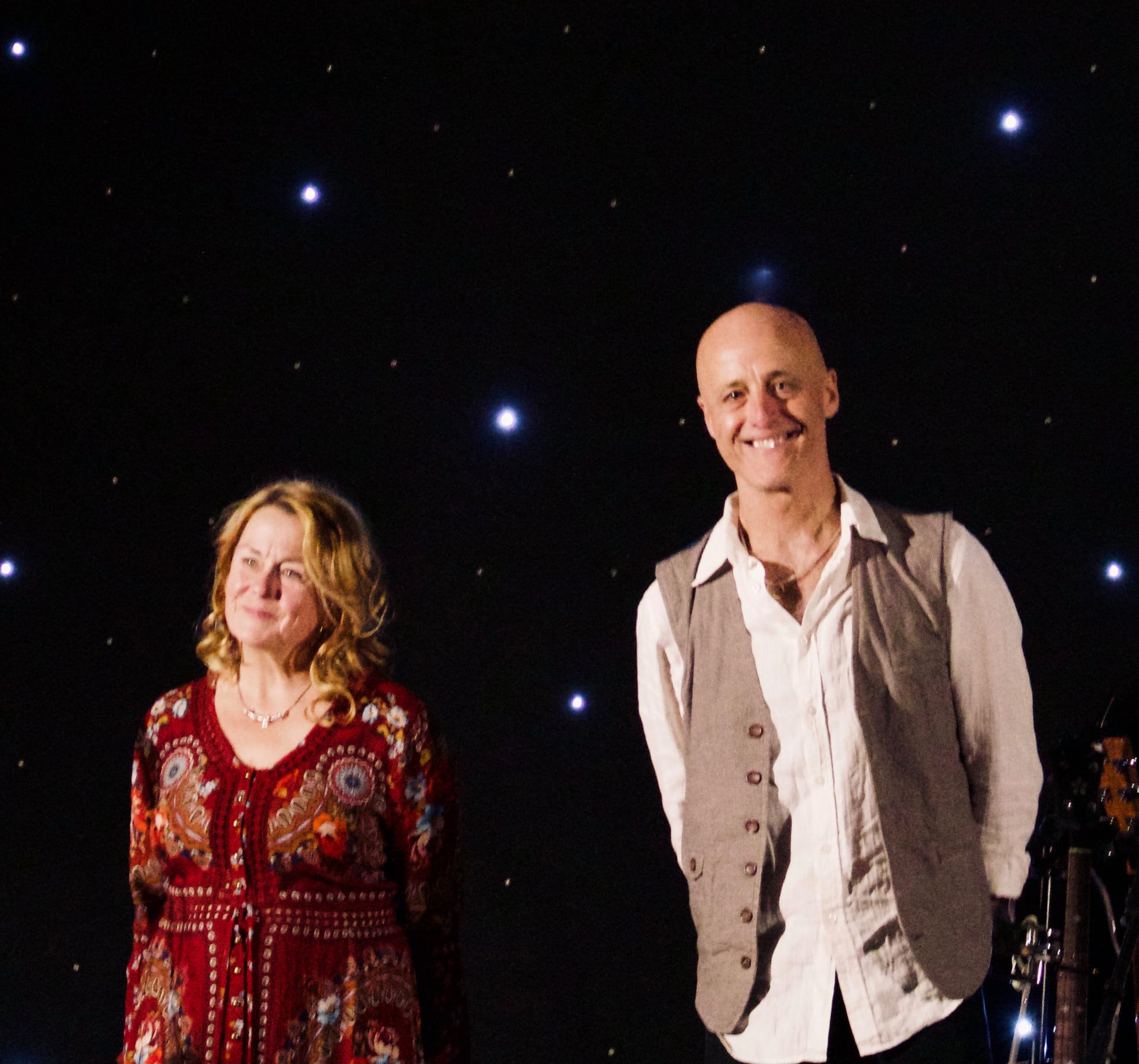
• Winter Wilson — sublime, supremely talented songwriters with bucketloads of empathy. Their What Would Johnny Cash Do? was a spirited country-inspired romp, while Ghost was a visceral takedown of how UK homelessness figures are manipulated. I could have listened all weekend and will keenly follow the Lincolnshire duo.
The whole site came alive with music and spectacle. Morris dancing displays brought people together, with a chance to have a go if you were feeling brave. On Saturday afternoon, a group of eager “pirates” on Chopper bikes swept through, adding a burst of theatre and energy.
You could take a break from the marquees and relish a barge journey along the Ashby Canal or visit the Moira Furnace museum. In the evenings, music drifted into the village, with singarounds and a ceilidh at local pubs. And if you fancied stretching your legs, there was a peaceful canal walk to Conkers Waterside, perfect for a change of scene.
On-site sessions included a blues jam, songwriting, guitar techniques, and spoon playing, among many more. My favourite was a poetry-writing workshop with Sue Kendrick. Warm, encouraging, and full of wit, Sue created a space where beginners and seasoned writers could be equally confident.
Stewards and MCs
The stewards and MCs were a lively team and wonderful overall. They were amiable, helpful, and proud to be involved. A few stewards seemed to have minor gaps in site knowledge, so when I asked for straightforward location information, they weren’t quite ready with answers. Having volunteered at a more local music gig at a different Midlands beauty spot, I knew what that felt like, but they were unfailingly enthusiastic and courteous.
The MCs also brought flair, even when things didn’t quite go to plan. One introduced an act with his mouth full of biscuit, which didn’t impress me, though my partner insisted it was all part of the fun. And during Saturday afternoon’s concert, a particularly dapper MC appeared to close the session, only to realise that firm favourites Winter Wilson were waiting behind him, ready to wow the audience. It was an unexpected slip-up but handled with such good humour the crowd loved it.
Stalls
Art, clothes, jewellery, melodeon repairs, and ethical yarns were among the items available, with what seemed to be a steady stream of interest.
Visitor essentials
The site was fully accessible for wheelchairs and mobility scooters, with paths to almost all areas and no unavoidable steps. Blue-badge parking was available close to the stages, and a designated camping area was provided for pre-booked campers with mobility needs.
Mobile phone network coverage could be patchy. There was no dedicated Wi-Fi. I couldn’t see any electrical hook-ups, phone-charging facilities or EV charging points, nor anything mentioned about them.
Around and about
The National Forest has plenty to explore. You could visit Furnace Lane Pottery in a small retail unit right on site. A towpath walk to Conkers Waterside was ideal. I loved it. Conkers itself offered family-friendly activities, a café, and woodland trails.
Moira’s Co-op was an easy stroll along the water’s edge. Several pubs were within walking distance, including The Railway Inn, The Rawdon Arms and Moira Social Club (locally known as the Miners’ Welfare). These were welcoming spots where festival singarounds and ceilidhs kept the party going.
My verdict
For campers, the appeal went beyond having somewhere to pitch. The sites were spacious and level, the ground coped well with wet weather, cars could be parked beside pitches, facilities were well maintained and the festival itself was only a short walk away.
This year’s Moira Furnace Folk Festival was a gem. This was a joyous celebration where music, camping and industrial heritage united in a sun-kissed, chilled-out setting. And I’m ready for more. Bring on 2027!
More information, including camping prices (from an Early Bird offer of under £100 per person for a weekend) can be found on the Moira Furnace Festival website.